Skip to content

VOICE Awardees

Recognizing Valuing Open and Inclusive Conversation and Engagement community members who are advancing civic engagement, dialogue and free expression across the UC system.

118 Projects · 10 UC Campuses

UC Davis

2026-2027

Campus Voices and Silences: Understanding Student Expression and Strengthening a Culture of Dialogue

Project Lead(s): Jens Pohlmann, Lecturer and Professional Researcher / Science and Technology Studies
Campus Voices and Silences: Understanding Student Expression and Strengthening a Culture of Dialogue

With support from the VOICE Initiative, students of STS 110 “Computing, Data, & Law in the United States” at UC Davis developed and conducted a survey last fall examining campus experiences with free speech. The results show that many students were not or not at all comfortable sharing opinions in in-person class discussions or in public spaces on campus. These findings highlight the need for systematic and representative data on student perspectives on campus speech, deeper insight into why students self-censor and evidence-based strategies to support a positive speech culture on campus. This year, building on our initial survey, we will develop, conduct, and analyze a representative survey on student attitudes toward free speech to establish a recurring campus-wide free speech survey. Additionally, we will conduct qualitative interviews with students to identify factors that lead them to self-censor. In order to translate these findings into concrete initiatives, we will design and implement opportunities and structured formats for students to engage in constructive dialogue. Classrooms and public campus spaces are precisely the venues where students are supposed to test ideas against one another, encounter new perspectives, and develop the capacity for respectful, productive disagreement. Through this project, we hope to help the UC Davis community realize the full potential of these spaces.

UC Riverside

2026-2027

Civic Life & Dialogue in the Inland Empire

Project Lead(s): Carolina Jimenez Acosta, Coordinator, Leadership & Service- Office of Student Life
Civic Life & Dialogue in the Inland Empire

Civic Life & Dialogue in the Inland Empire is a year-long initiative that empowers UC Riverside students to become informed, confident, and engaged participants in civic life. Through dialogue-based learning, civic and media literacy workshops, and partnerships with local community organizations and public leaders, students will explore how civic systems shape their communities while developing the skills to engage across differences and address the issues they care about. By creating accessible, year-round opportunities for civic learning and community engagement, the initiative aims to foster a campus culture where every student feels equipped to participate in democracy and make a meaningful impact in the Inland Empire and beyond.

UC San Francisco

2026-2027

Grounded Voices: Civic Expression and Constructive Dialogue

Project Lead(s): Mariia Kuznetsova, Practice Coordinator/ OVD UCSF Health Contact Center
Grounded Voices: Civic Expression and Constructive Dialogue

Grounded Voices is a UCSF workshop series, developed for the UC Free Speech Center's VOICE Initiative (2026-2027), that helps people build the confidence and psychological readiness to speak up in civic and public settings. The core idea: people disengage from public discourse because they lack the confidence, emotional regulation, and psychological safety to speak up under pressure. This program builds inner capacity that makes participation possible through the confidence, self-regulation, and readiness to speak.

Each workshop will contain ground (grounding techniques), practice (live speaking, in partnership with Toastmasters), evaluate (self-report measures), and reflect (what worked). It’s structured as a small research project, measuring shifts in confidence, comfort with disagreement, and sense of belonging —with the goal of producing a transferable model other UC campuses can adopt. Led by Maria Kuznetsova, the project targets the people who typically go silent in existing forums: first-generation students, multilingual community members, and clinical staff. Resuming in one line: to help people start speaking because they feel ready.

UC Irvine

2026-2027

PRAXIS

Project Lead(s): Annabelle Hedrick, Undergraduate Student
PRAXIS

Praxis serves as a place for students to contribute their ideas, stories, and meaningful conversations about issues that shape our communities. We believe that every student has something valuable to say, regardless of their major, background, or level of experience.

Too often, students have thoughtful perspectives but no accessible platform to publish their work. Praxis exists to change that. Through student written opinion pieces and podcasts, we aim to amplify those voices that deserve to be heard.

UCLA

2026-2027

Reimagining Global Citizenship Toward 2030: A Speaker Series on Democracy, Education, and Global Engagement

Project Lead(s): Kathy Yi-Hang Li, PhD Candidate, UCLA School of Education
Reimagining Global Citizenship Toward 2030: A Speaker Series on Democracy, Education, and Global Engagement

This project aims to promote democratic learning, civic engagement, and free expression through a Global Citizenship Education (GCE) speaker series hosted by the UCLA Paulo Freire Institute (PFI). The series will explore the foundations and future directions of GCE, its implementation in K–12 and higher education, the role of language and culture in fostering global citizenship, and the connections between social-emotional learning, democratic participation, and global engagement. Through these sessions, the project will create opportunities for students across the UC system to engage in meaningful dialogue on contemporary social and educational issues while exploring the connections and tensions among local, regional, national, and global identities. Ultimately, the series seeks to deepen participants’ understanding of citizenship and democracy and their roles in an increasingly interconnected world.

UC Irvine

2026-2027

Social Media Storytellers: On Academic Freedom

Project Lead(s): Kelly Brown, Director of Media Relations and Communications, School of Humanities and Tyrus Miller, Dean of Humanities, School of Humanities
Social Media Storytellers: On Academic Freedom

Social Media Storytellers: On Academic Freedom will return for a second year to create another cohort of undergraduate student storytellers to research, analyze, and explore academic freedom through multimedia content. The media series will be conceptualized and produced by undergrads to speak directly to their peers on this pressing campus issue. Part of a research communications fellowship, students will spend one quarter learning about academic freedom before creating social media stories on the topic. We recognize that engaging through stories is a powerful creative vehicle for addressing complicated issues. By creating a fellowship that utilizes social media as its primary platform, we strive to inspire younger generations to understand what academic freedom is, its history, and why it matters to them as students and citizens.

UC San Francisco

2026-2027

Storytelling in Public Health: Building Trust Through Open Dialogue and Civic Engagement

Project Lead(s): Andrea DeLuca, Deputy Director, Institute for Global Health Sciences
Storytelling in Public Health: Building Trust Through Open Dialogue and Civic Engagement

Storytelling in Public Health: Building Trust Through Open Dialogue and Civic Engagement will pilot a series of storytelling workshops and community dialogue forums that bring together UCSF students, faculty, staff, and global partners to explore complex public health and social issues. Through facilitated conversations, participants will examine how personal experience, scientific evidence, and public narratives shape trust, beliefs, and decision-making while building skills in active listening, critical thinking, and constructive engagement across differences. The project will pilot five sessions over one year, evaluate changes in participants’ trust and capacity for dialogue, and develop facilitation resources and lessons that can be shared across UC. Ultimately, the initiative seeks to strengthen a culture of free expression, intellectual curiosity, and civic engagement while creating a model that can be incorporated into IGHS educational programs.

UC Santa Cruz

2026-2027

The 2026 U.S. Midterm Elections in Hemispheric Perspective: Views from the Upper Midwest, the Sunbelt, Mexico City, and Havana

Project Lead(s): Anju Reejhsinghani, Vice Chancellor, Diversity, Equity, and Inclusion/ODEI
The 2026 U.S. Midterm Elections in Hemispheric Perspective: Views from the Upper Midwest, the Sunbelt, Mexico City, and Havana

The 2026 U.S. Midterm Elections in Hemispheric Perspective: This speaker series intends to increase student awareness of and participation in the electoral process by providing context on the stakes beyond California. It has two broad aims: (1) To explore likely short-term political, social, economic, environmental, and humanitarian impacts of the 2026 U.S. midterms in the Americas, and (2) To look ahead to what the results may mean for 2028. The series features subject matter experts exploring one topic from various geographic and disciplinary vantage points, touching on populism, voter demographics, tariffs and trade, migration, and the future of higher education.

UC Merced

2026-2027

The Art of Being Human: Reclaiming Connection Through Story, Memory, and Expression (Interdisciplinary Humanities Annual Conference)

Project Lead(s): Josiah Beharry, Ph.D. student in Interdisciplinary Humanities
The Art of Being Human: Reclaiming Connection Through Story, Memory, and Expression (Interdisciplinary Humanities Annual Conference)

The Art of Being Human reimagines the traditional academic conference by transforming it into an immersive public humanities experience centered on free expression, dialogue, and human connection. As Chair of the Fifth Annual Interdisciplinary Humanities Conference at UC Merced, Josiah Beharry will bring together scholars, artists, students, and community members through poetry, storytelling, oral history, film, music, visual art, movement, and facilitated conversations that invite participants to engage ideas not only intellectually but emotionally and creatively.

At a time marked by polarization, loneliness, and increasing social division, the project explores how artistic expression and the humanities can cultivate empathy, curiosity, and meaningful dialogue across difference. By creating spaces where participants listen, reflect, create, and share alongside one another, The Art of Being Human demonstrates that free expression is not only about the freedom to speak, but also about fostering the relationships, imagination, and understanding that sustain democratic communities.

UC Irvine

2026-2027

The Plato Group

Project Lead(s): Eraldo Souza dos Santos, Assistant Professor, Department of Criminology, Law and Society
The Plato Group

In January 2026, Dr. Martin Peterson, a professor of philosophy at Texas A&M, was instructed to remove some readings from his “Contemporary Moral Issues” syllabus. Given the new anti-DEI policies of the federal administration, many were expecting professors who assigned readings on race and gender to be under scrutiny. What most were not expecting, however, was that one of the dialogues by Greek philosopher Plato, “The Symposium,” would also become a target. Plato’s discussion of sexuality and homosexuality in that dialogue triggered a nationwide debate about the classics. It is well-known that many of the characters in Plato’s dialogues are gay men; many discussions initiated by Socrates, considered the founding father of Western philosophy, are about male beauty, for example. This has not impeded conservative and right-wing instructors from assigning Plato’s dialogues for centuries. In many schools across the country, Plato’s dialogues are among the “Great Books” that every student must read to understand American culture. But assigning “The Symposium” had a lasting impact on Dr. Peterson’s life. He eventually decided to resign from his position in April 2026, amid public pressure and threats. This project will invite UCI students to restage “The Symposium” as a gesture of freedom of expression and civic engagement amid efforts to censor it.

UC Merced

2025-2026

Comic Relief: Punching Up in a World That Keeps Knocking Us Down

Project Lead(s): Josiah Beharry, Ph.D. candidate in Interdisciplinary Humanities and Eileen Camfiled, Teaching Professor/Senior Lecturer with Security of Employment and Faculty Associate for Writing and Pedagogy, Center for Engaged Teaching and Learning

Comic Relief: Punching Up in a World That Keeps Knocking Us Down

Is Laughter the Last Free Speech? In a time when conversations feel like landmines, comment sections are battlegrounds, and students are more anxious and disconnected than ever, one tool still cuts through the noise: comedy.

Comic Relief is a UC Merced initiative that explores stand-up comedy as one of the last truly free and joyful forms of expression. This program isn’t just about cracking jokes. It’s about using humor to speak truth, question power, and reconnect in a world that too often feels divided and numb.

Through a semester-long course (WRI 122: “Stand-Up Comedy? Seriously!”) and a culminating community showcase, students will be trained in the craft of stand-up as a form of civic storytelling, transforming their lived experiences into laughter that sparks reflection, healing, and resistance.

Comedy has always existed at the edge of what society is willing to hear. From ancient satire to modern comics dismantling injustice, stand-up is where free speech, vulnerability, and critique collide with a mic and humor.

At a moment when students face record levels of anxiety, depression, and isolation, this project offers something radical: joy. Not empty escapism, but joy as a political act. Joy as a bridge. Joy as a reminder that we’re still here, still human, and still capable of laughing at the chaos around us. Because not every act of free speech comes with a picket line —some come with a punchline.

UCLA

2025-2026

Democracy Workshops: Promoting Civic Learning and Democratic Engagement on Campus and Beyond

Project Lead(s): Alexis Applebaum and Neha Vijay, Undergraduate students, Philip Goodrich, Manager, Campus Life Initiatives and Mary Romo, ASUCLA Programming Manager
Democracy Workshops: Promoting Civic Learning and Democratic Engagement on Campus and Beyond

The Democracy Workshop series is a student-led initiative at UCLA that creates accessible, engaging spaces for students to learn about civic issues, democratic processes, and their role in public life. Since 2023, the program has offered interactive events on topics like media literacy, ballot navigation, political dialogue, and combating misinformation. In 2025-2026, the series will shift to one large-scale workshop each quarter, designed to draw a wide campus audience through high-profile speakers, participatory activities, and partnerships across academic disciplines. By expanding into topics at the intersection of science, technology, and policy, the program aims to reach students from all fields of study and inspire them to see themselves as active contributors to a more informed and engaged democracy.

UC Irvine

2025-2026

Democratic Education on Trial: Teacher Preparation Programs and the Struggle for Pedagogical Freedom

Project Lead(s): Amy Liu, Ph.D. student in Sociology
Democratic Education on Trial: Teacher Preparation Programs and the Struggle for Pedagogical Freedom

This research project will examine how UC-based teacher preparation programs shape future educators as they navigate tensions between pedagogical freedom, democratic education, and political backlash in the “anti-woke” era. Drawing on analysis from both 1. program-level curricula/formal training requirements and 2. in-depth interviews with teacher candidates, the project will investigate how the UC system can more effectively prepare educators to foster civic responsibility and social justice in California’s public schools.

UC Santa Cruz

2025-2026

Digital Self-Defense

Project Lead(s): Mennatullah Hendawy, PhD student in Computational Media
Digital Self-Defense

Digital Self-Defense is a student-centered initiative to strengthen digital safety, literacy, and free expression at UC Santa Cruz. Through two workshop series and co-design sessions, we will create an open-source Digital Self-Defense Toolkit with practical how-tos and checklists. The project will help students protect privacy, navigate platforms more safely, counter harassment and misinformation.

UC Santa Barbara

2025-2026

Gaucho Think Tank

Project Lead(s): Sanjit Masanam and Manuel Rodriguez, Undergraduate students
Gaucho Think Tank

The Gaucho Think Tank empowers students from diverse skill sets (STEM, public policy, the arts, etc.) to engage civically and learn to address systemic problems through interdisciplinary approaches. While traditional think tanks focus on policy research and proposals to create change, this project involves students of differing skill sets to translate that research into tangible improvements, such as through engineering and art.

UCLA

2025-2026

Mapping the Moment: LA Neighborhoods and the Road to 2028

Project Lead(s): Michael McCormack, Assistant Director, Leadership & Involvement in Residential Life
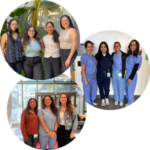
Mapping the Moment: LA Neighborhoods and the Road to 2028

Mapping the Moment: LA Neighborhoods and the Road to 2028 is a 10-week civic learning workshop series that uses the visibility and excitement surrounding the upcoming Los Angeles 2028 Olympic and Paralympic Games as an entry point for deeper civic reflection and engagement. The Olympics provide a unique opportunity to examine how cities narrate themselves to the world—what is highlighted, what is hidden, and how those choices affect local communities. This program encourages participants to critically explore those narratives while celebrating the complexity, resilience, and vibrancy of Los Angeles. Over the course of 10 weeks, ten participants will engage in a carefully designed blend of synchronous and asynchronous learning, including in-person workshops, virtual discussions, neighborhood excursions, and self-paced activities. Each session will center on a civic learning theme—such as deliberative dialogue, media literacy, and power analysis.

UC San Francisco / UCLA

2025-2026

MOSAIC: Multi-Campus Organization Supporting Advocacy and Immigrant Care

Project Lead(s): Alejandra Rivas Deras, fourth-year medical student at the David Geffen School of Medicine, Jacqueline Cabral, M.D. candidate at David Geffen School of Medicine, Melanie Ramirez, MD/MPP candidate and Summer Khan, MD candidate
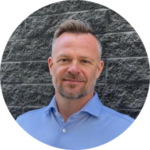
MOSAIC: Multi-Campus Organization Supporting Advocacy and Immigrant Care

The Immigrant Health, Healing, and Advocacy Series is a quarterly seminar hosted by medical students at the University of California, Los Angeles and University of California, San Francisco. The series aims to create a space for health professional trainees to engage in reflection, education, and advocacy training in support of immigrant health. Interactive workshops will offer students an opportunity to participate in narrative reflection, learn about the immigrant health policy and resource landscape in California, and develop civic engagement and advocacy skills. The goal of this series is to prepare students to better serve immigrant communities affected by the current socio-political climate and to equip them with the tools necessary to advocate for a more just society.

UC Davis

2025-2026

Social Media and Freedom of Speech on Campus

Project Lead(s): Jens Pohlmann, Lecturer and Researcher in Science and Technology Studies and Laila Azhar, Undergraduate student
Social Media and Freedom of Speech on Campus

In this project, students of STS 110 “Computing, Data, & Law in the United States” will develop a survey to collect data about UC Davis students’ knowledge about and attitudes towards the content moderation practices of social media platforms, their legal foundations, and their impact on freedom of speech. This process will allow students to put the theoretical knowledge that they have gained through the course readings into practice and to share their insights with the greater student community. While campus debates around free speech often focus on in-person expression, much of students’ discourse now happens online — on the many social media platforms that shape not only how students communicate, but also what they feel comfortable to publicly express. By investigating how students engage with free speech and platform moderation in online spaces, we aim to better understand the evolving culture of speech among younger generations. Our research and initiatives will highlight patterns in digital discourse, identify barriers to open dialogue, and create opportunities to support a more thoughtful and democratic online communication.

UC Irvine

2025-2026

Social Media Storytellers: On Academic Freedom

Project Lead(s): Kelly Brown, Director of Media Relations and Communications, School of Humanities and Tyrus Miller, Dean of Humanities, School of Humanities
Social Media Storytellers: On Academic Freedom

Social Media Storytellers: On Academic Freedom will create a cohort of undergraduate student storytellers to research, analyze, and explore academic freedom through multimedia content. The media series will be conceptualized and produced by undergrads to speak directly to their peers on this pressing campus issue. Part of a research communications fellowship, students will spend one quarter learning about academic freedom before creating social media stories on the topic. We recognize that engaging through stories is a powerful creative vehicle for addressing complicated issues. By creating a fellowship that utilizes social media as its primary platform, we strive to inspire younger generations to understand what academic freedom is, its history, and why it matters to them as students and citizens.

UCLA

2025-2026

The Open Dissent

Project Lead(s): Maya Church, Undergraduate student
The Open Dissent

The Open Dissent seeks to challenge ideological echo chambers by prioritizing civil disagreement, real-time fact checking, and inclusive participation. The Open Dissent offers a space between academic discourse and everyday conversation. Unlike traditional media, ideas can be challenged and expanded, not just reinforced. Podcast topics are derived from data collected on our website where users are encouraged to anonymously share their beliefs regarding any social, political, or cultural issue. At the end of the week, the leading topic will be featured for an in-person discussion on The Open Dissent podcast. Each episode will feature two users from the website who contributed to the discussion. Participants are selected for their diverse viewpoints, and conversations are structured as roundtable dialogue with active moderation and real-time fact checking. Ultimately, The Open Dissent is not just about talking across differences, it’s about strengthening the skills and values that sustain a democratic society.

UC Irvine

2025-2026

The Voices of Democracy: A Festival for Ten-minute Monologues

Project Lead(s): Eraldo Souza dos Santos, Assistant Professor, Department of Criminology, Law and Society
The Voices of Democracy: A Festival for Ten-minute Monologues

In Samuel Beckett’s groundbreaking play, Waiting for Godot (1953), Lucky, enslaved by Pozzo, remains silent throughout the narrative. But with one exception: when allowed by his master, Lucky utters a long, incoherent monologue that sheds light on his experience with unfreedom. Lucky is no exception in the history of playwriting and theater: Monologues have been used across history to give voice to the unheard and remain one of the most common genres for expressing challenges to free expression. In the United States, there has been a long tradition of organizing festivals for ten-minute monologues that gather actors, directors, and playwrights from across the country each year. This project will organize the first festival of this kind in the University of California system. Three monologues will be selected to be staged at UC Irvine in May 2026.

UC Irvine

2024-2025

(Re)Writing Migration Stories Across the UC

Project Lead(s): Giovana Itzel, Graduate Student in the Department of Political Science, Laura Enriquez, Associate Professor of Chicano/Latino Studies and Breana Guadalupe Figueroa Perez, Undergraduate Student
(Re)Writing Migration Stories Across the UC

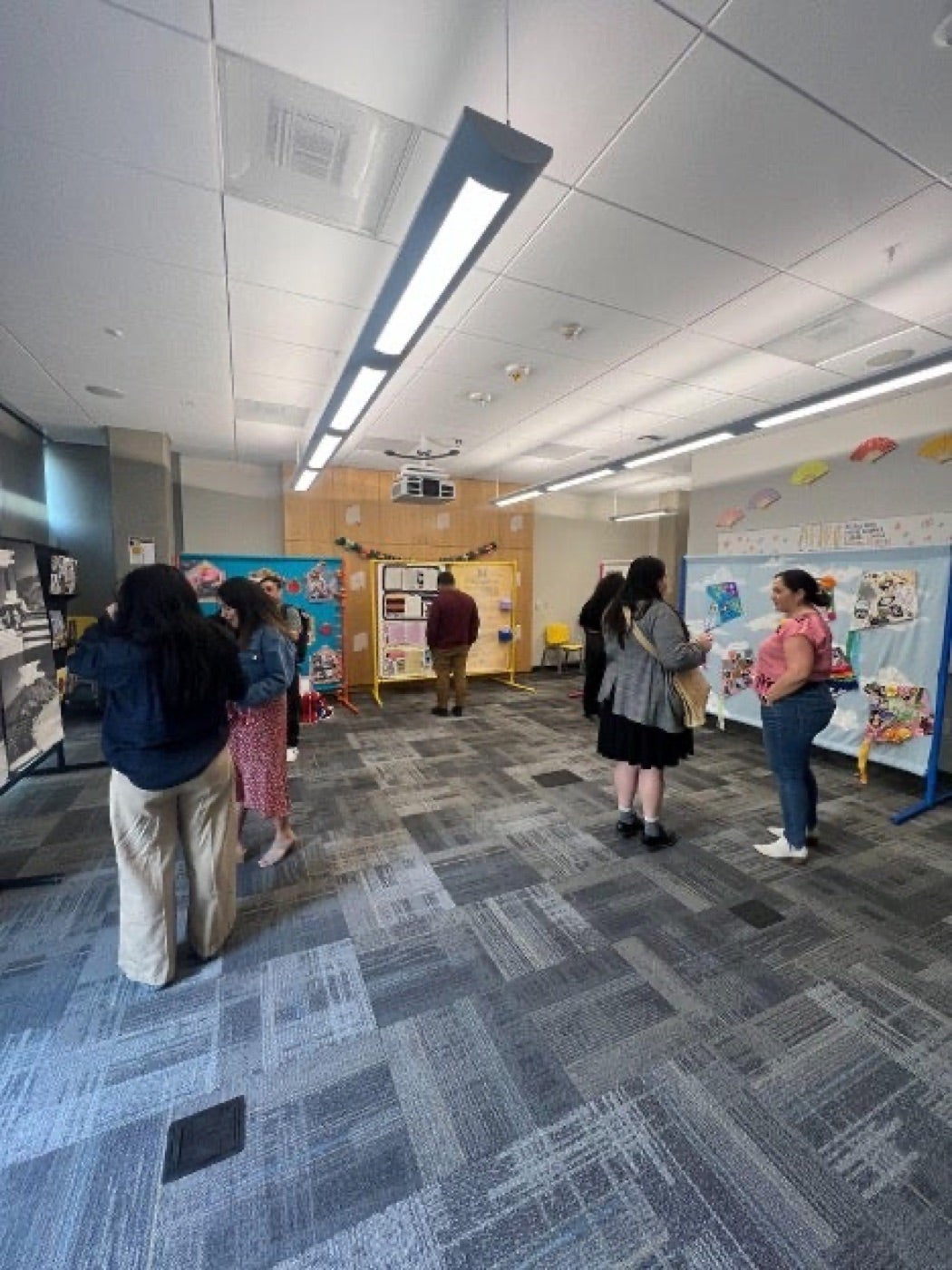
The “(Re)Writing Migration Stories Project” at UC Irvine seeks to create a democratic educational space for exploring U.S. immigration policy and its impact on undocumented and mixed-status communities. Our previous work culminated in an art exhibit at UC Irvine, which will now be expanded to additional UC campuses. Each exhibit will feature public discussions, art-making workshops, and a pedagogical toolkit to promote nuanced discourse on immigration. Together we draw on our own lived experiences to produce a nuanced depiction of the impact of restrictive immigration policies on Latinx communities. Our physical and virtual exhibit and accompanying curriculum will engage others in thoughtful reflection with the intention of restoring trust in the ability to have caring and nuanced conversations about immigration within today’s society.

UC Riverside

2024-2025

3rd Decolonial Praxis Conference

Project Lead(s): Fernando David Márquez Duarte, Graduate Student in the Department of Political Science, Zaira Vidal Cortes, Graduate Student, and Dulce Alarcón Payán, Graduate Student in the Department of Bioengineering
3rd Decolonial Praxis Conference

The 3rd edition of the Decolonial Praxis Conference is not only an academic space, but an open and safe space for activists, community organizers and scholars to discuss decolonial theories, pedagogies, research methods and praxis, especially BIPOC (Black, Indigenous and People of Color), from the local community and from other regions and countries, to strengthen an international decolonial network, and increase the impact of the projects and research of participants, and join efforts to build projects together. This 3rd edition of the Conference will have panels where scholars, activists, and community organizers come together and dialogue about their projects and experience, allowing discussions to transcend academia, and be transdisciplinary. Moreover, panels will have English-Spanish interpretation, allowing participants from México and latinx populations in the US to be included in the discussion, people that are normally left out due to western-centrism and coloniality of knowledge. We always practice language justice. Finally, we plan to work on a publication with the discussions and papers of the Conference.

UC Berkeley

2024-2025

60 Years of Free Speech: A Panel with Icons of Berkeley Activism

Project Lead(s): Emma Teng, Nikki Iyer and Yvalisse Ganzon, Undergraduate Students
60 Years of Free Speech: A Panel with Icons of Berkeley Activism

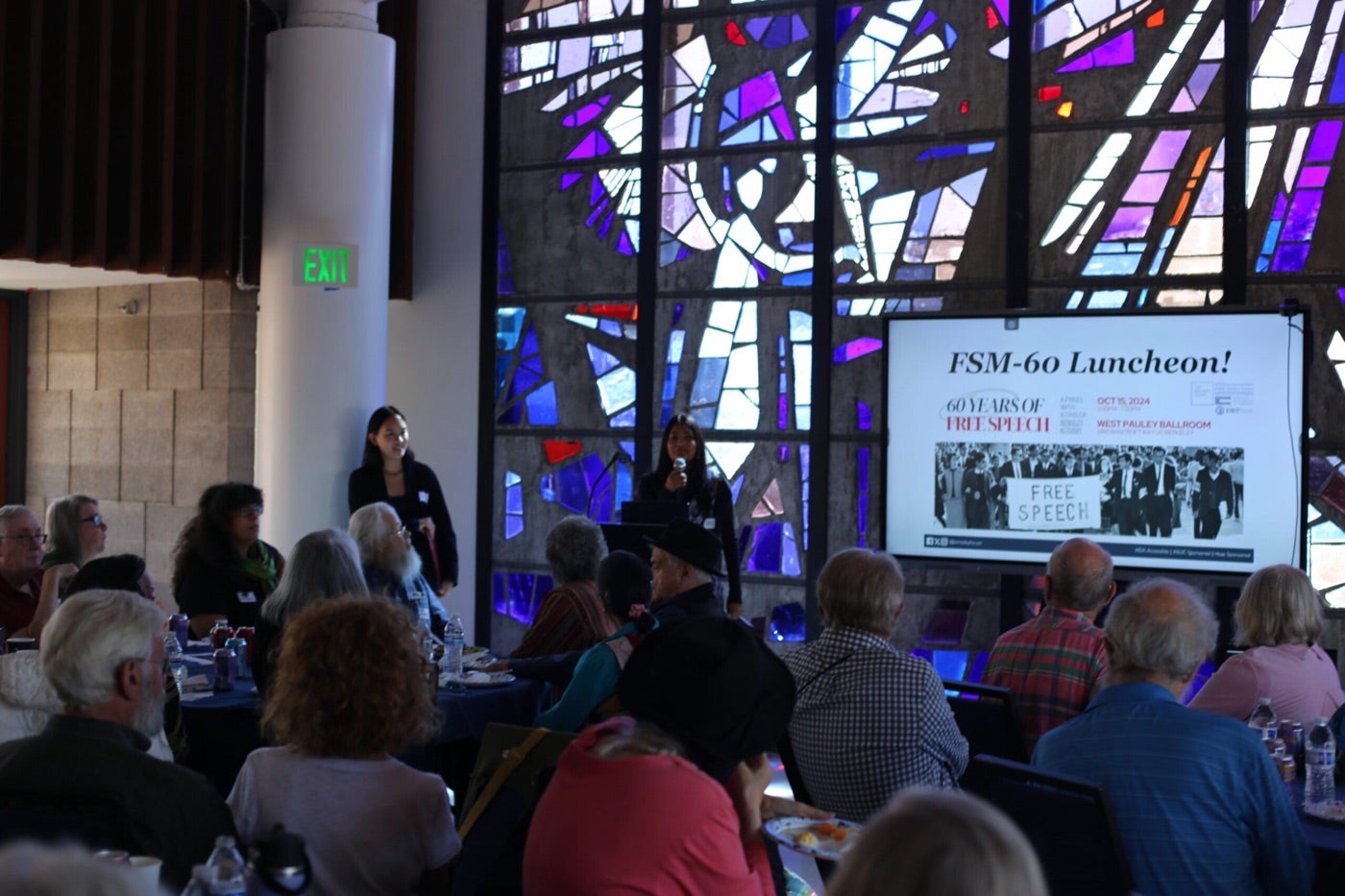
The Berkeley Forum is a nonpartisan organization run by passionate undergraduates at UC Berkeley. Our mission is to inspire students through moderated events featuring notable individuals. In addition to hosting free, accessible, and non-partisan events, the Forum sponsors the student-taught class (DeCal) “History of Free Speech at Berkeley” and is developing a podcast series that interviews veterans of the Free Speech Movement. This October marks the 60th anniversary of the Free Speech Movement at Berkeley, a pivotal moment in campus history that showcased the power of student activism. To celebrate this milestone and inspire a new generation of students, the Forum will host an anniversary panel featuring Free Speech Movement veterans Bettina Aptheker, Lynne Hollander Savio, and Jack Radey. The event will include a panel discussion, an audience Q&A, and a reception, providing attendees with an opportunity to engage directly with these remarkable speakers.

UC Santa Barbara

2024-2025

Civic Engagement Scholars Program

Project Lead(s): Viviana Marsano, Assistant Dean and Director, Civic and Community Engagement and Katya Armistead, Associate Vice Chancellor, Student Life & Belonging

Civic Engagement Scholars Program

The Civic Engagement Scholars Program at UC Santa Barbara fosters ideals of active citizenship among undergraduate and graduate students, engaging the next generation of leaders on issues that are of import to our campus and to the surrounding communities of Isla Vista, Goleta, and Santa Barbara. In this three-quarter-long course, students will study the theoretical framework and historical background of civic engagement in the American university. While doing so, students will engage in leadership development, learn skills for deliberative discourse, and design workshops incorporating these issues and skills. The fall quarter will be focused on learning history and skills and in the winter and spring quarters, students will deliver their designed workshops to the campus and Isla Vista community.

This program represents a joint effort by four entities at UC Santa Barbara: the Walter H. Capps Center for the Study of Ethics, Religion, and Public Life; the Dean of Students Office; Civic and Community Engagement, and the Office of Student Engagement and Leadership (SEAL).

UC Davis

2024-2025

Davis Journal of Legal Studies, Volume V

Project Lead(s): Michael Hayden, Undergraduate Student
Davis Journal of Legal Studies, Volume V

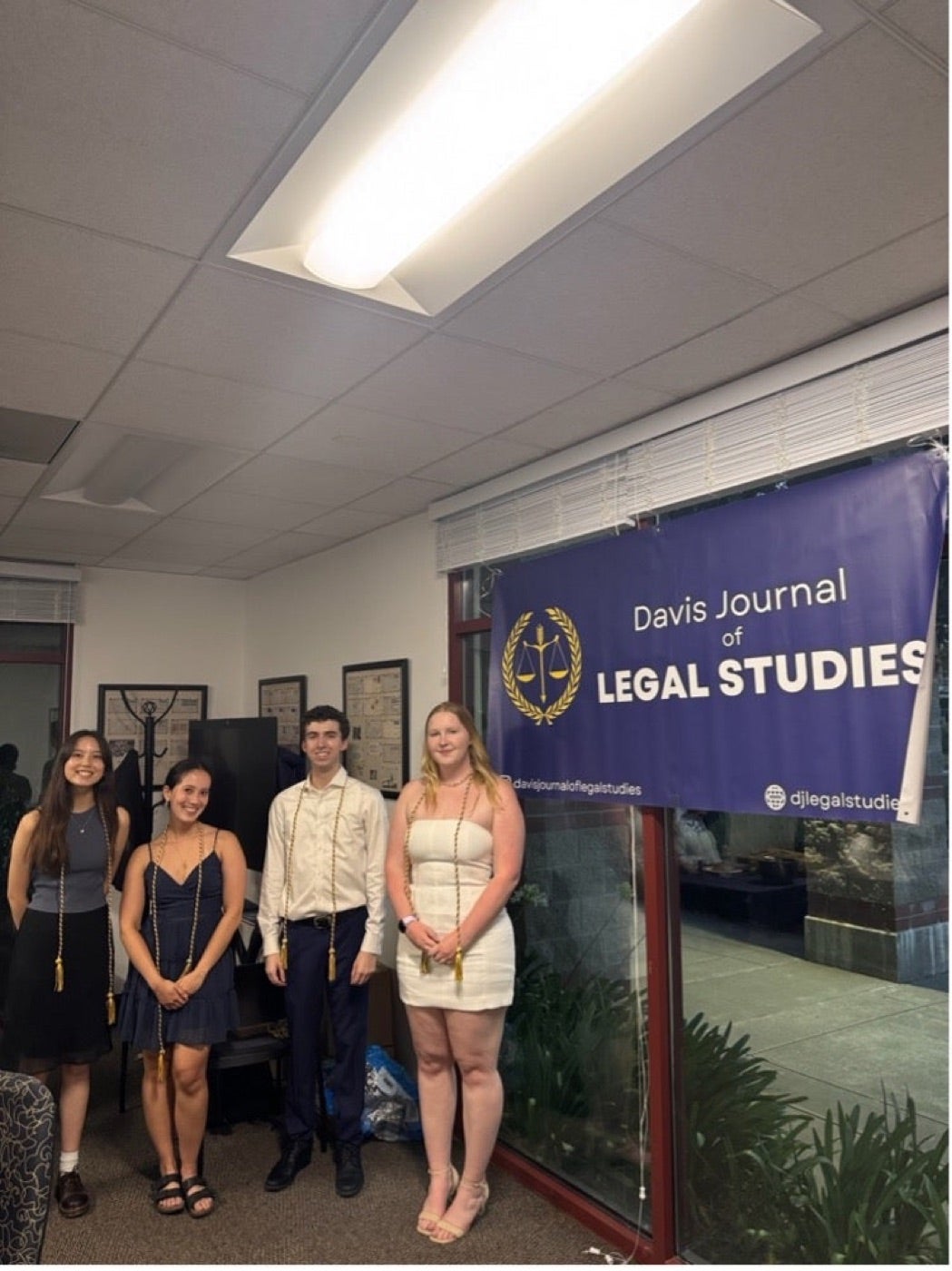
Davis Journal of Legal Studies (DJLS) is an interdisciplinary, undergraduate legal journal founded in 2020 at the University of California, Davis. DJLS was created due to the need for publication opportunities in law and legal studies at an undergraduate level. It is an academic journal that gives students an opportunity to pursue legal studies, publication, research, editing, and writing.

UCLA

2024-2025

Democracy Workshops: Promoting Civic Learning and Democratic Engagement in Advance of the November 2024 General Election

Project Lead(s): Philip Goodrich, Manager of Campus Life Initiatives
Democracy Workshops: Promoting Civic Learning and Democratic Engagement in Advance of the November 2024 General Election

The Democracy Workshop series is inspired by the idea that “higher education in a robust, diverse, and democratic country needs to cultivate in each of its graduates an open and curious mind, critical acumen, public voice, ethical and moral judgment, and the commitment to act collectively in public to achieve shared purposes” (A Crucible Moment, 2012, p. 10). With the support of a VOICE Award, UCLA Campus Life launched the inaugural series during the 2023-2024 academic year focusing on topics such as critical media literacy, strategies for talking across political differences, and election administration, among others. As we look ahead to the 2024-2025 academic year, we plan to continue and expand our Democracy Workshop offerings to ensure we are doing all that we can to prepare our campus community for the November 2024 General Election. Ultimately, by continuing the Democracy Workshop series, we hope to educate for democracy – “not for the democracy we have but the democracy we need” (Thomas, 2015, p. 5).

UC Berkeley

2024-2025

Diaspora Magazine

Project Lead(s): Amara McEvoy and Ke'von Terry, Undergraduate Students
Diaspora Magazine

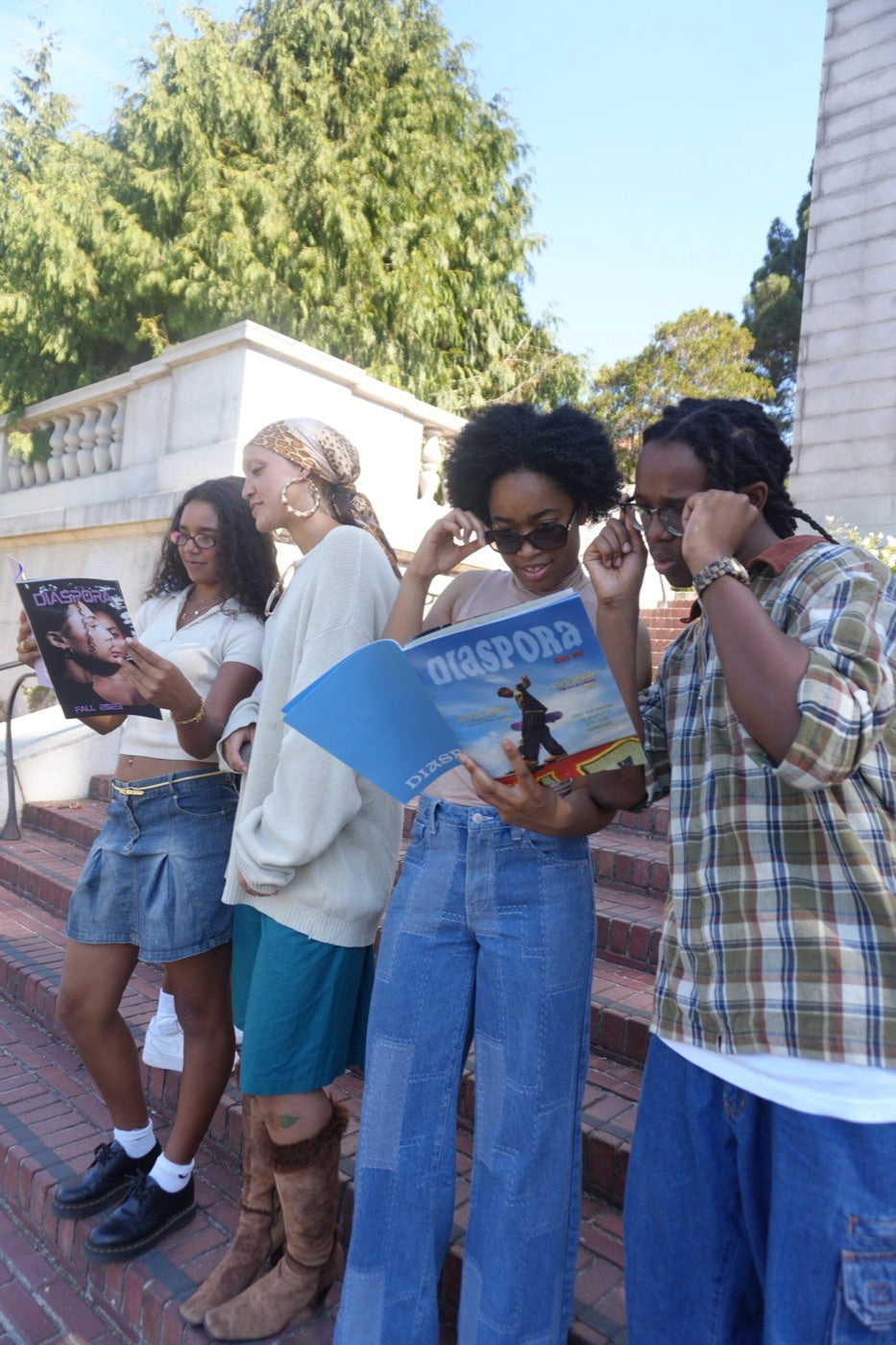
Founded in Spring 2022, Diaspora Magazine serves to provide an open and safe space for Black students to express creativity through journalism and art. Through the production of print & digital content, we aim to amplify Black voices on campus and share those perspectives with the broader campus community.

UC Irvine

2024-2025

Eras Tour: Student-Led Free Speech Movements Gallery

Project Lead(s): Ashley Scering, Roger Becker & Alexis Karakas, Residential Living Coordinator, Undergraduate Housing Residence Life, Colin Bailey, Conduct Coordinator, Undergraduate Housing and Residential Life and Yoo Mi Choi, Associate Director of Residential Learning
Eras Tour: Student-Led Free Speech Movements Gallery

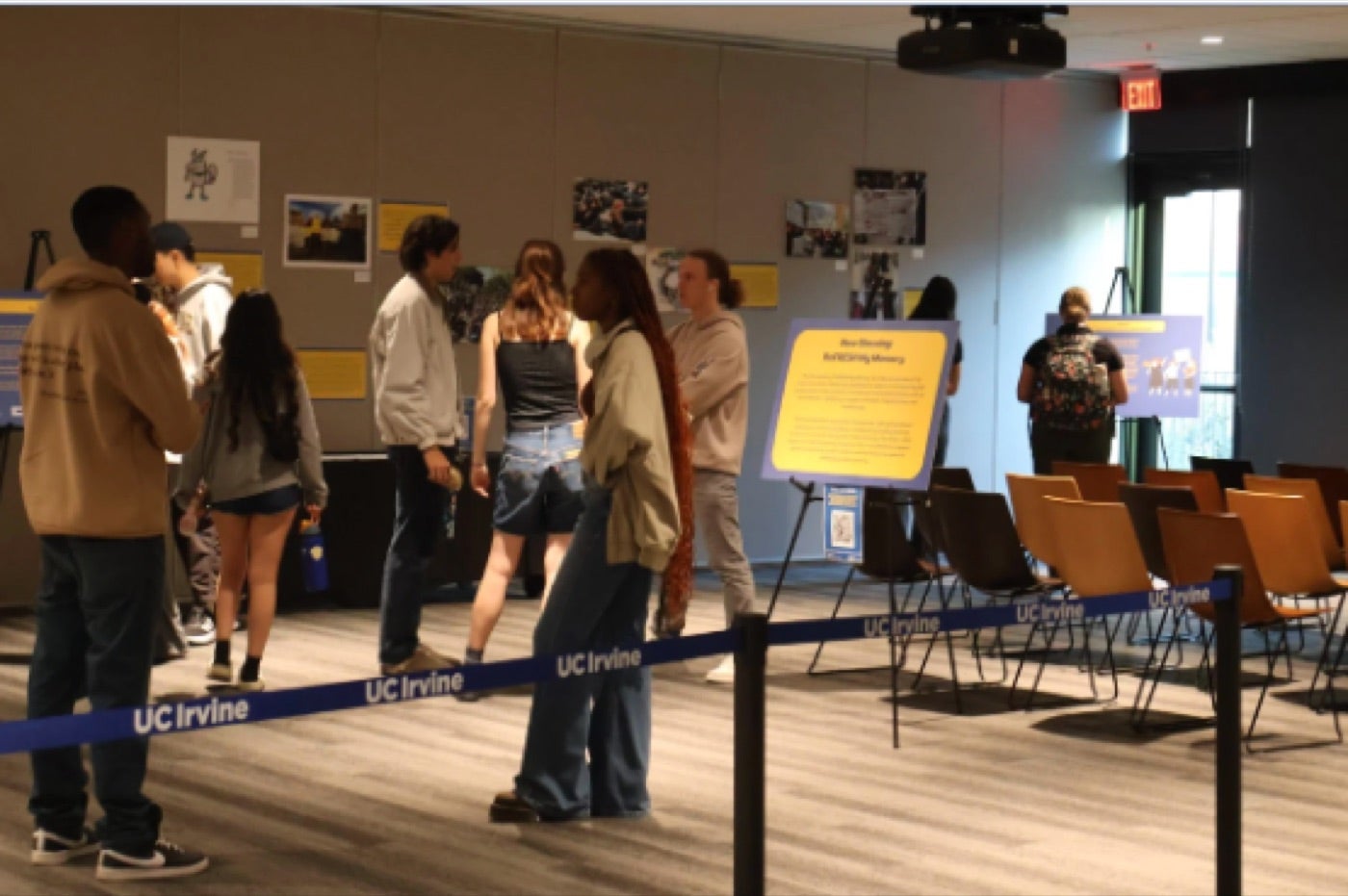
This project aims to empower students to understand the historical significance of their actions, specifically their right to free speech, and the importance of persistent engagement in driving social change. By hosting an “Eras Tour” that showcases student-led free speech movements through the decades at UC Irvine, we hope to illuminate the power of advocacy and civic participation. This gallery will be open to all students and community members and located in a large central location on campus and feature art installations, historical photographs, and educational panels, providing a rich, immersive learning experience.

Specifically, the project will highlight the unique history of student activism at UC Irvine (UCI). It will showcase pivotal moments in UCI’s history where students have driven significant change, such as the anti-Vietnam War protests in the 1960s, the establishment of the Black Student Union in the early 1970s, the Shantytown Protests for LGBT housing rights in the 1980s, the formation of the Department of Asian American Studies in the 1990s, and the recent involvement in the Black Lives Matter movement. By connecting these historical movements to contemporary issues, we aim to demonstrate the ongoing impact of student activism and inspire current students to continue this legacy of advocacy.

UC San Diego

2024-2025

Our Voice, Our Vote: Building an Informed Latina Electorate

Project Lead(s): Valerie Gomez, Graduate Student in the Department of Education Studies
Our Voice, Our Vote: Building an Informed Latina Electorate

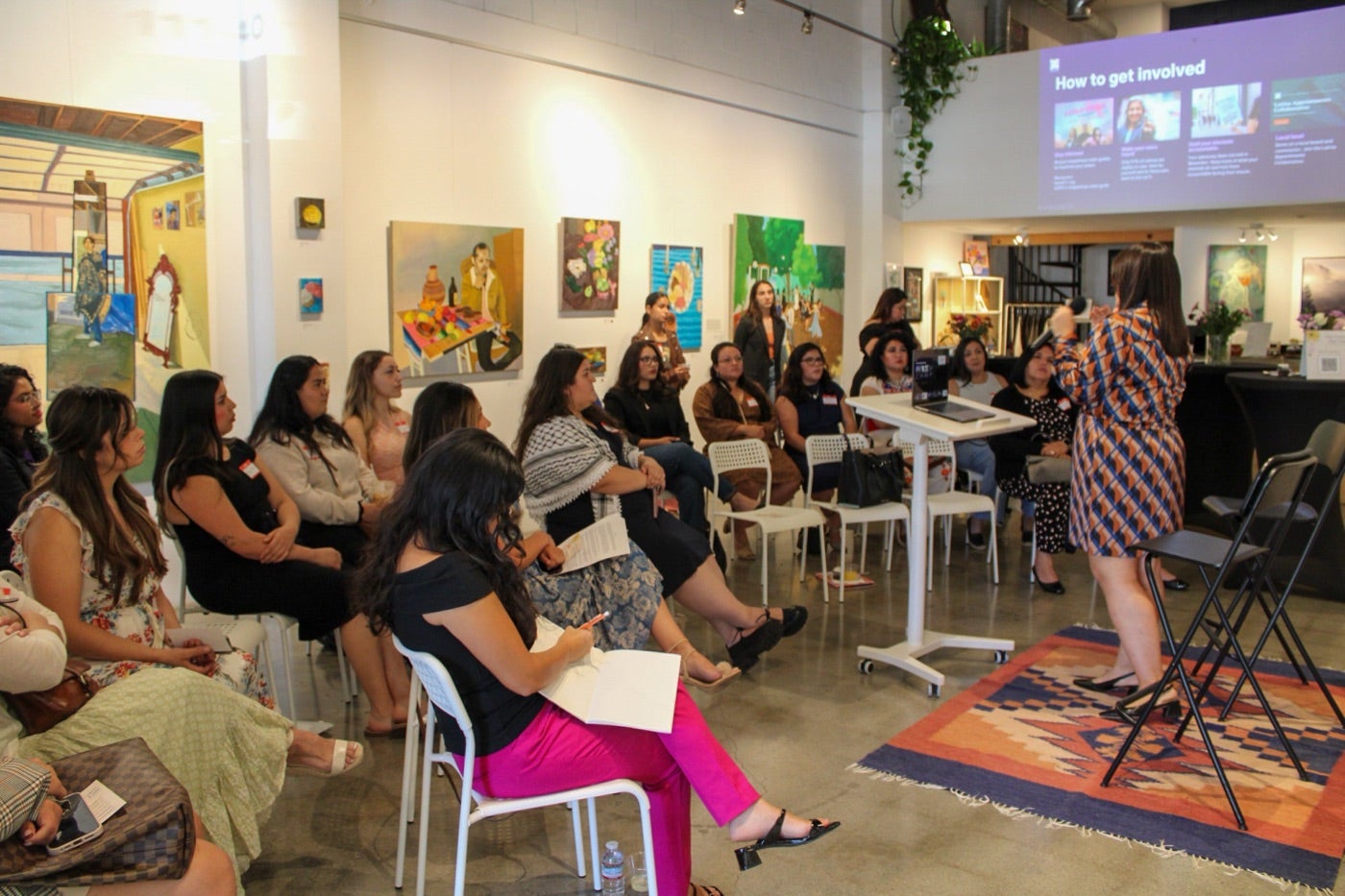
Our Voice, Our Vote: Building an Informed Latina Electorate is a one-day in-person plática (talk) and networking event designed to mobilize Latina voters in Southern California. The event will gather Latina undergraduate and graduate students to raise awareness about the significance of political engagement and provide them with the tools and knowledge necessary to participate in the democratic process. The plática will also address and discuss critical issues important to the Latina community.

UC Irvine

2024-2025

SASICon 2024: Speeches for Liberation

Project Lead(s): Jade Nettrour, Graduate Student in the School of Global Policy and Strategy
SASICon 2024: Speeches for Liberation

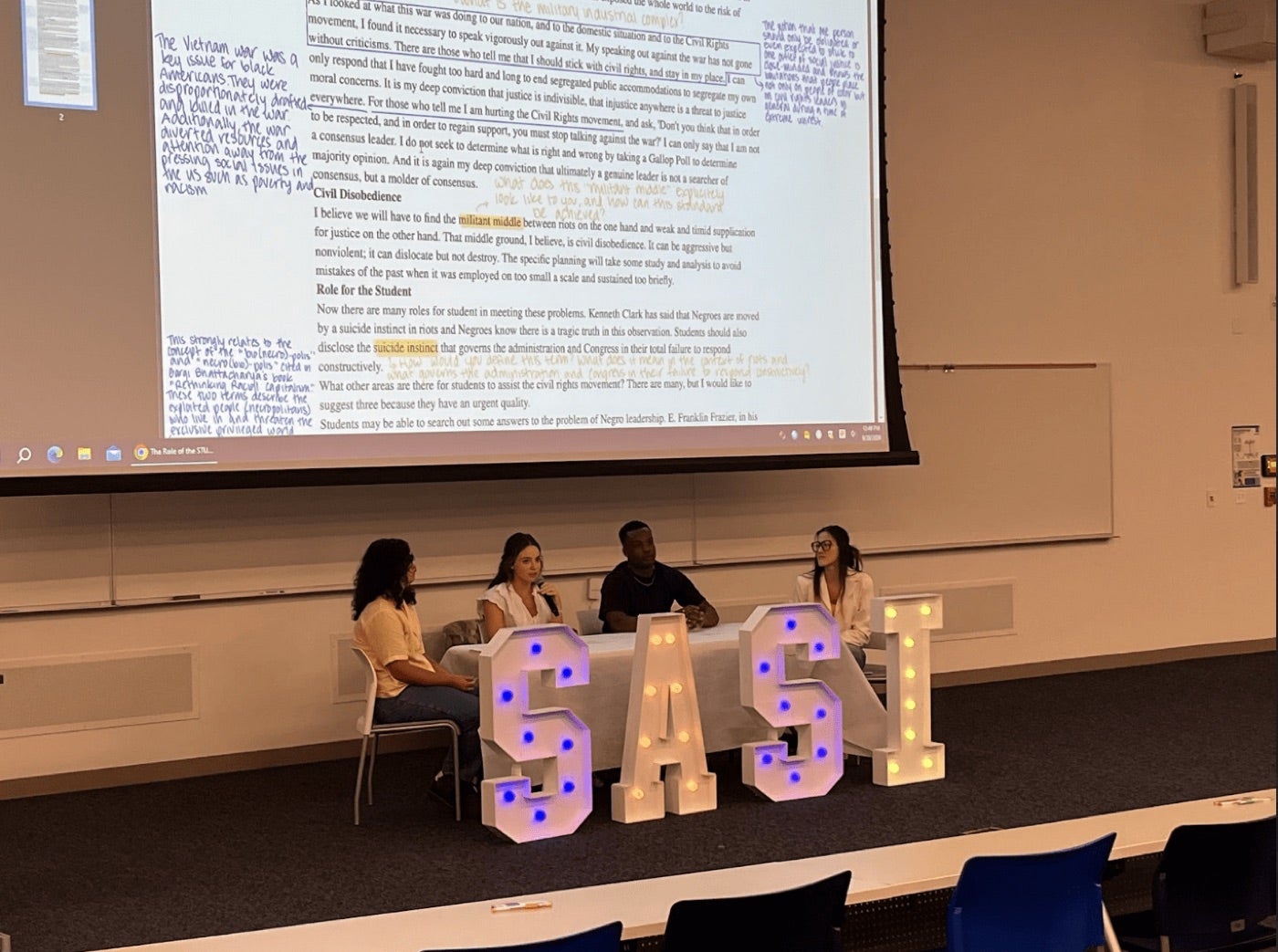
SASICon is a full-day conference event hosted by SASI, a student-led social justice organization under the Vice Provost of Teaching and Learning. The conference is designed to teach attendees about the important roles and opportunities that students have to participate in social movements. The event will feature six workshops that follow the life cycle of a social movement, three UCI staff/faculty presentations, a student-made art gallery, and more!

UC Berkeley

2024-2025

The Belonging Lab: Finessing Team Dialogue

Project Lead(s): Katrina Koski, Director of Inclusion & Belonging, Haas School of Business, Office of Diversity, Equity, Inclusion, Justice & Belonging
The Belonging Lab: Finessing Team Dialogue

Housed at Berkeley Haas, this advanced co-curricular training program on dialogue across differences will foster critically engaged undergraduate and graduate student communities that seek to effectively lead diverse teams and make decisions that affect people at scale. Through progressive skill-building workshops led by external subject matter experts, students will learn techniques to facilitate constructive discourse rooted in diversity, equity, inclusion, justice, and belonging as leaders at UC Berkeley and in society.

Through practitioner workshops and discussions, applied practice, and peer coaching, the mixed cohort of approximately 60 undergraduate and graduate student leaders will:

— deepen their knowledge of how to improve dialogue within and between groups;
— boost their confidence in having sensitive conversations on complex challenges, championing new ideas, and humanizing the “other”; and,
— develop advanced skills in conflict management and transferable facilitation techniques.

At its core, the program seeks to enhance students’ curious and compassionate leadership to create and maintain spaces for individual and collective resilience.

UC Berkeley

2024-2025

Tracking the Impact of Pink Slime News in California

Project Lead(s): Alex Forman and Sam Grotenstein, Undergraduate Students
Tracking the Impact of Pink Slime News in California

Pink slime sites are sites that mimic traditional local newspapers, but are often controlled by a central org that manages hundreds of similar publications across a region. These sites publish genuine local news, alongside political hit pieces framed as news, affecting American politics at a local level. Recently, the amount of pink slime sites in the US exceeded the amount of real news sites, but the impact this has on individual voters is still unknown. Our project seeks to discover this impact through mass surveying across the state, traveling to dozens of small towns and talking to residents.

UC Berkeley

2024-2025

UC Berkeley Votechella

Project Lead(s): Ava Escobedo, Undergraduate Student
UC Berkeley Votechella

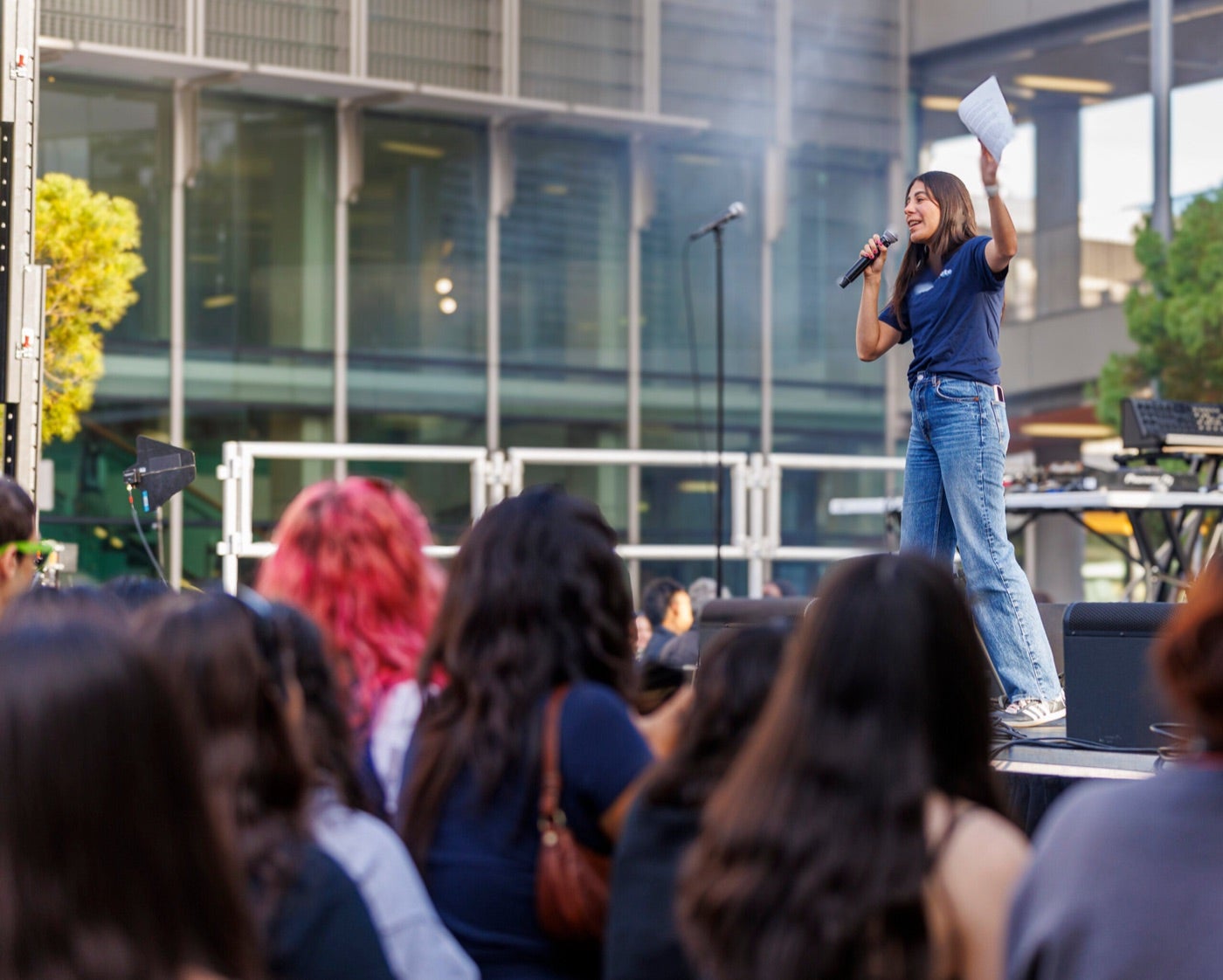
UC Berkeley’s ASUC will be hosting a free music festival called “Votechella” to help Berkeley get students registered to vote (and/or politically informed) before the online voter registration deadline. We registered 2,000+ students in 2018, 1,530+ in 2020, and 3,000+ in 2022, and hope to surpass these numbers with our Fall 2024 registration efforts.

UCLA

2024-2025

Union Town Hall: Voting, Information and Community

Project Lead(s): Mary Romo, Programming Manager
Union Town Hall: Voting, Information and Community

The purpose of this year’s project is to continue our Union Town Hall programs, which began last year in regard to reproductive health. Our goal is to create a space that allows for conversations about sensitive subjects that lead to genuine engagement, encourages free speech, critical thinking, and open mindedness while reimagining the ASUCLA community as the heart of the campus, and a place that offers knowledge and comfort in the exchange of ideas.
This three-part event series called United in Democracy, will happen starting in October 2024 preceding the presidential election. Each event will address a social and political issue and encourage discourse through the lens of activity, information, and voting. It will help examine the perceptions held by our community, along with what it means to practice the right to free speech effectively while having the ability to challenge and question commonly held ideas.
Each event in the series United in Democracy will take place a week apart starting with Voting: Making Your Voice Heard, followed by Investigating the Media, and then last, Civic Engagement and the Aftermath of Voting.

UC Santa Barbara

2024-2025

Vision Fellowship

Project Lead(s): Ashlee Priestley, Academic Achievement Counselor – Office of Black Student Development
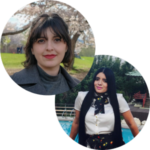
Vision Fellowship

The Office of Black Student Development’s Vision Fellowship is a cohort based year long program in which students can apply with a passion project of their choosing and receive various resources in order to successfully bring their project to fruition such as a stipend, a mentor, physical workspace, and support with distribution. Although the year’s incoming cohort goes through a more rigorous year-long journey, students are able to continue their projects beyond their cohort year and build on their existing project themes to expand the depth and reach of their work.

UC Riverside

2023-2024

2nd Decolonial Praxis Conference

Project Lead: Dulce Anahi Alarcon Payan & Zaira J Vidal Cortes, Graduate Student, Ph.D. Spanish Linguistics (Hispanic Studies)
2nd Decolonial Praxis Conference

The Conference on Decoloniality serves not only as an academic space, but also as a space for activists, community organizers, and academics to discuss decolonial theories, pedagogies, research methods, and praxis, especially BIPOC. In Western academia, decoloniality is still a marginalized topic. This project will solidify this open and safe space for not only academics but also activists and community organizers from the local community and from other regions and countries to build a decolonial community that allows the creation of a decolonial international network to increase the impact of the projects and research of participants and join efforts to build projects together. The conference will build on the previous Decolonial Conference organized in March 2023 with panels where academics, activists, and community organizers came together and dialogued about their projects and experiences, allowing discussions to transcend academia and be transdisciplinary. Moreover, there will be panels in both English and Spanish, and we will offer interpretation to advocate for linguistic justice, allowing international participants from Mexico, Latinx populations, and other underrepresented groups in and outside the United States to be included in the discussion of inclusivity and the production of knowledge in academia. The 2024 Conference will follow the format of the 2023 Conference, including a general assembly where all participants can discuss on equal terms to develop a Declaration that guides the work of the Decolonial Community.

UC Irvine

2023-2024

All University Leadership Conference (All-U)

Project Lead: Ellen Whitehead, Associate Dean of Students/Student Life & Leadership
All University Leadership Conference (All-U)

The Randy Lewis All-University Leadership Conference (All-U) is held in early fall quarter at UCI for student leaders. The conference focuses on inspiring and empowering students to believe in themselves as the leaders their communities need. We will create various spaces for students to share their life experiences and values and listen and learn from their peers. Storytelling is a powerful tool to uplift students and validate them as leaders. The intentional learning environment will foster self-agency, community building, and enhanced leadership skills. The conference will also identify speakers to address the topics of protecting democratic freedoms and community engagement.

UCLA

2023-2024

Bridging the Great Divide: Exploring the Coexistence of Academic Freedom and Duty to Accommodate

Project Lead: Spencer Scruggs, Director, Center for Accessible Education

Bridging the Great Divide: Exploring the Coexistence of Academic Freedom and Duty to Accommodate

Higher education institutions are very familiar with their obligation to ensure reasonable and appropriate accommodations are provided to disabled students who may need them. Accommodation processes also rely on other campus constituents, chiefly faculty who have long expressed both a desire to provide reasonable accommodations and rigorously defend their academic freedom. As higher education institutions return to in-person instruction, this question of balancing disability-related accommodations and academic freedom has caused further divide between faculty and Disability Resource Offices. In a climate of increasing numbers of students seeking accommodation, expanding expectations of faculty around teaching and research, and persistent political threats to the sanctity of academic freedom, both faculty and higher education staff are unsure of how to best resolve what is often see as a philosophical conflict. The overall goal of this project is to chronicle the multiplicitous ways in which higher education institutions balance the academic rights of faculty to practice their pedagogy how they see fit with the legal obligation of the institution to accommodate disabled students in an effective manner. Through the development of a podcast, the project will (1) elucidate the different environment, political, and pedagogical factors that influence this balance, and (2) demonstrate how institutional, departmental, and individual values adjust accommodation practices in light of faculty academic rights. Highlighting the real stories and perspectives of faculty, staff, and students who are a part of the tug-and-pull between academic freedom and duty to accommodate, the podcast will encourage further discussion and exploration about how both constructs can coexist and potentially support each other.

UCLA

2023-2024

BruinsVote Social Media Fellowship: Promoting Civic Literacy, Voter Education, & Democratic Engagement at UCLA

Project Lead: Karen Hedges, Deputy Director Residential Life
BruinsVote Social Media Fellowship: Promoting Civic Literacy, Voter Education, & Democratic Engagement at UCLA

The Fellowship will provide one UCLA student with a paid opportunity to support BruinsVote—UCLA’s non-partisan vote coalition—in promoting civic literacy, voter education, and democratic engagement through one of today’s most powerful tools: social media. The Fellowship will provide two primary benefits to the campus community. First and foremost, the Fellowship will offer a student the opportunity to learn and develop valuable communication and marketing skills, including content creation, graphic design, copyediting, social media management, and public affairs. In addition to these skills, the fellow will have a meaningful experience developing their own civic literacy, awareness, and competencies. Supervised by staff within Student Affairs, the fellow will also receive thoughtful mentorship, undergo career and professional development, and form meaningful connections with a variety of stakeholders on and off campus. Secondly, the Fellowship will help BruinsVote expand its online presence and outreach efforts in advance of the 2024 Election. In an attempt to move to a more institutionalized approach to civic engagement, BruinsVote aims to maintain a consistent, year-round social media presence to establish a campus culture of democratic engagement. Examples of content and campaigns include civic holidays, election education, Bruins in government, internal and external democratic engagement opportunities, highlights of campus partners, and, of course, logistical information about voting, upcoming programming, and ways to get involved. Overall, the Fellowship will help diversify, expand, and strengthen the ways in which civic and voter engagement efforts reach the Bruin community.

UC Santa Barbara

2023-2024

Campus Dialogues

Project Lead: Josh Kuntzman, Assessment Coordinator, Office of Budget & Planning / Office of Teaching & Learning
Campus Dialogues

The Campus Dialogues project at UC Santa Barbara works to co-create with students an inclusive, facilitated discourse space where members of the campus community can learn about each others’ experience-based beliefs, values, and priorities regarding controversial and locally relevant topics of interest. The aim of these quarterly talks is to highlight students’ common concerns, clarify the underlying emotional/experiential reasons behind varied perspectives, and foster a democratic environment where diverse views can co-exist with curiosity and respect. Topics will be chosen by students on campus via tabling sessions each quarter, leading to professionally facilitated 2-hour town hall discussions, which will be recorded to share as a model for other campuses and learning communities.

UC Berkeley

2023-2024

Citizens of Today

Project Lead: Jennifer Tran, Undergraduate Student, Political Science
Citizens of Today

In order to increase local civic engagement and voter registration, the Associated Students of the University of California Vote Coalition will be hosting a series of three events from September through October called “Citizens of Today.” Coordinating voter registration and civic education resources and activities at three different sites, the UC Berkeley campus, local east bay high schools, and local east bay elementary schools, Citizens of Today aims to teach students, young adults, and children that civic engagement is possible outside of election-day or without the ability to yet vote. To spread this message and encourage regional youth to become and stay deeply civically engaged, we will have teams of volunteers holding academic civic-oriented lessons, hosting workshops, and registering/pre-registering students to vote across the regional Berkeley area in educational spaces. This event is one of many pieces in UC Berkeley’s commitment to creating a more democratic culture and society.

UC Santa Barbara

2023-2024

Civic Engagement Scholars Program

Project Lead: Viviana Marsano, Director, Civic & Community Engagement & Isla Vista Liaison & Katya Armistead, Assistant Vice Chancellor & Dean of Student Life
Civic Engagement Scholars Program

The Civic Engagement Scholars Program at UC Santa Barbara fosters ideals of active citizenship among undergraduate and graduate students, engaging the next generation of leaders on issues that are of import to our campus and to the surrounding communities of Isla Vista, Goleta, and Santa Barbara. In this three-quarter-long course, students will study the theoretical framework and historical background of civic engagement in the American university. While doing so, students will engage in leadership development, learn skills for deliberative discourse, and design workshops incorporating these issues and skills. The fall quarter will be focused on learning history and skills and in the winter and spring quarters, students will deliver their designed workshops to the campus and Isla Vista community.

This program represents a joint effort by four entities at UC Santa Barbara: the Walter H. Capps Center for the Study of Ethics, Religion, and Public Life; the Dean of Students Office; Civic and Community Engagement, and the Office of Student Engagement and Leadership (SEAL).

UC Berkeley

2023-2024

Creating Citizens Speaker Series

Project Lead: Alexander Edgar, Undergraduate Student, Political Science
Creating Citizens Speaker Series

Young people’s voices are an integral part of our democracy. Yet, Gen Z and Millennial voters consistently turn out at lower rates than older generations. To inspire youth civic engagement the Associated Students of the University of California Vote Coalition and the Commonwealth Club launched a first-of-its-kind partnership: the Creating Citizens Speaker Series in 2022. This speaker series gives UC Berkeley students and community members the opportunity to listen to and ask questions of leading minds in politics, media, and education as they learn how to become better, more involved citizens.

Now in 2023, we are taking what we learned from our incredible past events with speakers like CA Attorney General Rob Bonta, Vice Chair of the CA Democratic Party Betty Yee, and Tennessee State Representative Justin Jones, and expanding this program to reach more students and engage them more directly with our democracy. Additionally, in the lead-up to the 2024 primary and general elections, we will host candidates for local, state, and federal offices in town halls and debates on campus to help students and community members make the most educated votes possible.

UC Davis

2023-2024

Davis Journal of Legal Studies: Volume IV

Project Lead: Aaron Guerra, Undergraduate Student
Davis Journal of Legal Studies: Volume IV

Davis Journal of Legal Studies (DJLS) is a student-led legal studies publication at the University of California, Davis. DJLS was created in June 2020 due to the recognition of the necessity for undergraduate opportunities in pre-law studies, academic publication, and research. Our mission is to increase access to legal studies by making legal research widely and freely available. We also seek to empower undergraduate students by platforming their legal research and analysis.

UCLA

2023-2024

Democracy Workshops: Preparing for the 2024 Election

Project Lead: Philip Goodrich, Manager of Campus Life Initiatives, UCLA Student Affairs
Democracy Workshops: Preparing for the 2024 Election

Democracy Workshops are educational sessions aimed at preparing UCLA students to engage with democracy – both in the 2024 election season and beyond. While some might consider the 2023-2024 academic year an “off-season,” we view it as an opportunity to guide members of the campus community through the skill development necessary to be active participants in the political process. Some topics these workshops will address include: news and media literacy, talking about politics during a polarized time, understanding your ballot and being an informed voter, and influencing others and the political process. The idea for Democracy Workshops arose from the realization that the UCLA campus – along with all other institutions of higher learning – can and should do more to live up to our historic democratic purpose of producing informed and engaged citizens (broadly defined). Although UCLA has a student voting rate that is much higher than the national average – 76.6% compared to 66% in the 2020 election (Institute for Democracy and Higher Education, 2021) – we can always do more to improve these numbers, help students become more informed voters, encourage political engagement beyond voting, and serve as a campus model for both the UC system and the higher education sector at large. Additionally, we are committed to reaching students who do not have the privilege of voting (e.g., undocumented, international, formerly incarcerated, underage) yet who make up an important and impactful portion of our student population. Thus, these workshops will broaden our notion of civic engagement and make democratic engagement a more inclusive practice.

UC Riverside

2023-2024

How to foster dialogue and promote civic engagement in the classroom

Project Lead: Dr. Annie Ditta, Assistant Professor of Teaching & Hayden Schill, Assistant Professor of Teaching
How to foster dialogue and promote civic engagement in the classroom

The goal of this project is to increase the capacity of UC educators to facilitate effective communication and promote civic engagement within their classrooms by providing workshops drawing upon evidenced-based teaching practices and experts in the field. The workshops will offer an overview of teaching techniques and activities that have been shown to promote effective dialogue in the classroom as well as ways to incorporate civic engagement into a variety of course topics. Our aim is for instructors — whether new graduate student instructors or tenured professors — to leave the workshop with: 1) new ideas for how to promote classroom dialogue around topics such as political issues, 2) a greater sense of agency for and confidence in being able to incorporate those ideas into the courses they teach, and 3) the resources and materials for executing those ideas. Graduate students, faculty, and lecturers are often under trained in effective teaching, especially with regard to fostering open dialogue and communication about potentially polarizing topics in the classroom. Our project not only aims to help fill this gap of knowledge, but also to catalyze the development of similar workshops, materials, and training via existing programs on various campuses aimed at enhancing instructor training.

UCLA

2023-2024

Reproductive Health Justice Forum

Project Lead: Jennis Kang & Annabel Chen, Undergraduate Students
Reproductive Health Justice Forum

The Undergraduate Students Association Council’s Student Wellness Commission (SWC) will bring a reproductive health justice forum to both undergraduate and graduate students to facilitate productive conversations around reproductive health, with administrative support from ASUCLA. This forum will include a panel of community and content experts followed by small, moderated discussions; and will conclude with a resource fair that will bring information and access to campus provided resources for students. Our primary goal is to create a safe and welcoming space for all to gather and engage in productive discourse on topics that are important, but sensitive. We aspire to provide a platform to center marginalized voices and deliver critical information and resources to students. Finally, we hope to collaborate across various campus departments and student organizations to foster community.

UCLA

2023-2024

Restorative Practices & Democratic Civic Engagement: building restorative communication practices & spaces at UCLA in the aftermath of the UAW labor strike

Project Lead: Felicia Graham, Graduate Student, Ph. D. Education, Social Science and Comparative Education
Restorative Practices & Democratic Civic Engagement: building restorative communication practices & spaces at UCLA in the aftermath of the UAW labor strike

The Restorative Practices & Democratic Civic Engagement project provides students, faculty and staff at UCLA access to hands-on, experiential learning about the use of restorative practices in professional and collaborative settings in the aftermath of the Fall ‘23 strike of Academic Student Employees. Through a sequence of restorative circles this project aims to elevate and sustain continued civic dialogue and conversation around the usefulness of restorative practices throughout the 2023-2024 year at UCLA, and to develop an understanding of what students, faculty, and staff need to move forward together. By providing spaces and resources to build trust and understanding, the goal is to help build and sustain a university community where individuals and departments have access to the tools they need to support healing in working and professional relationships. This restorative series will provide models for the next generation of students to become university leaders committed to uphold Democratic values through intentional relational practices, and highlights practical tools for ’everyday’ civic engagement through restorative communication and listening techniques to build trust and empathy.

UCLA

2023-2024

The Local Motive: Building the Muscle of Civic Engagement

Project Lead: Dimitri Gean, Resident Director, UCLA Residential Life
The Local Motive: Building the Muscle of Civic Engagement

A strong culture of civic participation undergirds the health of a robust democracy, and universities are uniquely poised to inculcate such a culture among young voters. The Local Motive is an initiative that aims to familiarize students with non-electoral local political engagement to supplement the act of voting. The initiative will consist of a seminar class available to interested students, followed by an event to raise awareness of local political participation. A fellowship will be offered to a student who is interested in helping design and execute this initiative.

UC Santa Cruz

2023-2024

This is Our Future: Take Back the Vote

Project Lead: Katherine Canales-Molina, Associate Director of SOMeCA
This is Our Future: Take Back the Vote

Student engagement in local, state, and national elections is far from being a constant. It has peaks and valleys, despite the many political issues that concern students deeply. This project will grow ongoing student civic engagement at UC Santa Cruz by building a cohort of students, utilizing the attention that will be generated by the upcoming general elections. We plan to build on our pilot program beginning with a kickoff event, a keynote speaker, facilitated dialogues, and workshops. The project will link on-the-ground issues that students experience in their everyday lives with national policies and platforms to inspire action and involvement. Following the kickoff event, we will establish a dynamic workgroup of student leaders that will experiment with fostering structures that support continuity in understanding and valuing democratic practices. The Student Civic Engagement workgroup will create new programming from the ideas generated by the dialogues and will draw lessons from the different forms of engagement that result.

UCLA

2023-2024

UCLA Undergraduate Law Journal, Volume XXIII

Project Lead: Mischa Gureghian Hall, Undergraduate Student, Global Studies
UCLA Undergraduate Law Journal, Volume XXIII

The UCLA Undergraduate Law Journal is one of the leading student-run academic publications of undergraduate legal scholarship in the United States. The Journal provides undergraduate student contributors from universities across the world to showcase research on contemporary legal, political, and social issues. Through a collaborative editorial process, the Journal produces high-quality works of legal research which aim to contribute to the literature of their respective areas of study. Moroever, the Journal serves as a forum for passionate students to substantively participate in legal debate and scholarship in a manner that helps prepare them to be future leaders in their chosen fields and professions.

UC Santa Barbara

2023-2024

Vision Fellowship

Project Lead: Ashlee Priestley, Academic Achievement Counselor
Vision Fellowship

The Office of Black Student Development’s Vision Fellowship is a cohort based year long program in which students can apply with a passion project of their choosing and receive various resources in order to successfully bring their project to fruition such as a stipend, a mentor, physical workspace, and support with distribution. Although the year’s incoming cohort goes through a more rigorous year-long journey, students are able to continue their projects beyond their cohort year and build on their existing project themes to expand the depth and reach of their work.

UC San Diego

2023-2024

W.A.V.E.S. (Widening Access, Voice, Engagement, & Service): Triton Civic Engagement & Changemaking Initiative

Project Lead: Alfredo Barcenas, Director of Student Governments, Auxiliaries and Services/Student Life
W.A.V.E.S. (Widening Access, Voice, Engagement, & Service): Triton Civic Engagement & Changemaking Initiative

W.A.V.E.S. will serve as a centralized project among various UCSD campus stakeholders that focus on civic engagement and changemaking by establishing it as a driving force for students to find their voice, become educated on local and national issues, and embark on their own changemaking journey. This project will serve as a foundation in developing a pipeline of civil discourse and civic professionalism by involving students in local community dialogues, introducing them to experts leading the work in civic engagement, and engaging them to create action over the course of an academic year. W.A.V.E.S. aims to provide knowledge of how organizations function in their advocacy and how members of our community can engage with each other to create change and a space for students to put their knowledge into action through a community partner driven project showcase.

UC San Diego

2022-2023

2023 Civic Engagement LaunchPad

Project Lead: Aidan Lin, Undergrad Student, Political Science
2023 Civic Engagement LaunchPad

At the 2023 Civic Engagement LaunchPad, we look to transform words into action. University students from across San Diego are invited to propose solutions that bridge the gap between our local institutions and the student population based on a report compiled by student researchers. In this way, we will equip participants with new knowledge from our research while fostering new ideas, perspectives, and community. It also provides a unique opportunity for students to simultaneously appeal to those who make decisions, network with fellow student activists, and build a powerful community of student changemakers.

UC Davis

2022-2023

Ancora

Project Lead: Ashley Chan, Undergrad Student, Political Science
Ancora

Ancora’s hope is to direct, inform, and distinguish sexual assault and harassment resources, reporting options, and the navigation of the bureaucracy for college students in the Northern California region. There are vast resources available to survivors, but a large barrier to survivors who want to understand what choices are available to them going forward is the large scope of information itself. The goal of Ancora is to concentrate all this information in one location, eliminating the time, energy, and emotional capacity survivors must summon to find this knowledge. We envision Ancora to be user-friendly and interactive, allowing users to understand their options in an intuitive way firsthand. Furthermore, through this project, we will forward geographically relevant information about free legal services to survivors. These resources will be located as close to the survivor as we can identify, as we want to lower the barriers (such as travel, costs, etc.) that may prevent survivors from seeking resources.

UC Riverside

2022-2023

Building Community Through Governance: A Video History of Civic Literacy and Engagement Models of UC Student Regents

Project Lead: Valeria Dominguez, Graduate Student in the School of Education & Policy & Raquel M. Rall, Associate Professor in the School of Education
Building Community Through Governance: A Video History of Civic Literacy and Engagement Models of UC Student Regents

Throughout the nation, the voice of students continues to be ignored, sidelined, or unheard, and we believe that student representatives in governing bodies have the ability to change that narrative. What was apparent in our 21-22 project with VOICE (Breaking Barriers Through Governance: The Role, Import, and Potential of Young People on Boards of Higher Education) that needs to be elucidated is twofold: (1) students on governing boards have to overcome a significant amount of resistance and challenge to be effective in their roles and (2) despite the perspective that they are of little to no consequence in decision making, they initiate, maintain, and lead critical conversations and policies that advance equity and opportunity. This year’s VOICE project builds on the conversations and themes we uncovered in Breaking Barriers and will create a historical database of the narratives of UC Student Regent Emeriti. Our project will compile a historical video that can be shared across the UC Center page for our UC students and any other institutions looking to the University of California for student leadership guidance. We want to use this project as a way to build community among the past student regents but also serve as a way to build community with future student regents, with student board members across the nation, and with students who aspire to be leaders in higher education.

UC Santa Barbara

2022-2023

Civic Engagement Scholars Program

Project Lead: Katya Armistead, Assistant Vice Chancellor and Dean of Student Life & Viviana Marsano, Director of Civic and Community Engagement, Isla Vista Liaison, and Senior Advisor to Campus Organizations
Civic Engagement Scholars Program

The Civic Engagement Scholars Program at UC Santa Barbara fosters ideals of active citizenship among undergraduate and graduate students, engaging the next generation of leaders on issues that are of import to our campus and to the surrounding communities of Isla Vista, Goleta, and Santa Barbara. In this three-quarter-long course, students will study the theoretical framework and historical background of civic engagement in the American university. While doing so, students will engage in leadership development, learn skills for deliberative discourse, and design workshops incorporating these issues and skills. The fall quarter will be focused on learning history and skills and in the winter and spring quarters, students will deliver their designed workshops to the campus and Isla Vista community.

This program represents a joint effort by four entities at UC Santa Barbara: the Walter H. Capps Center for the Study of Ethics, Religion, and Public Life; the Dean of Students Office; Civic and Community Engagement, and the Office of Student Engagement and Leadership (SEAL).

UC Berkeley

2022-2023

Creating Citizens Speaker Series

Project Lead: Brooke Nunes, Undergrad Student, Political Economics

Creating Citizens Speaker Series

Young people’s voices are an integral part of our democracy. Yet, Gen Z and Millennial voters consistently turn out at lower rates than older generations. To inspire youth civic engagement, Berkeley Women in Politics, the Associated Students of the University of California Vote Coalition, and the Commonwealth Club are proud to launch a first-of-its-kind partnership: the Creating Citizens Speaker Series. This speaker series will give UC Berkeley students and community members the opportunity to listen to and ask questions of leading minds in politics, media, and education as they learn how to become better, more involved citizens. As the home of decades of activism and civic engagement, Berkeley is the perfect environment for this dialogue to occur.

UC Davis

2022-2023

Davis Journal of Legal Studies (DJLS)

Project Lead: Emma Tolliver, Undergrad Student, English and Political Science – Public Service
Davis Journal of Legal Studies (DJLS)

Davis Journal of Legal Studies (DJLS) is an interdisciplinary, undergraduate academic journal. Modeled after law reviews, DJLS was created to provide undergraduate students the opportunity to write, edit, and publish research pertaining to legal studies and law. The goal of DJLS is to advance legal discourse through free and accessible public scholarship and to empower undergraduate students by promoting and publishing their research.

UC Riverside

2022-2023

Decolonial Praxis Conference

Project Lead: Fernando David Márquez Duarte, Graduate Student, Political Science
Decolonial Praxis Conference

The Decolonial Praxis Conference will be not only an academic space, but an open and safe space for activists, community organizers and academics to discuss decolonial theories, pedagogies, research methods and praxis, especially BIPOC (Black, Indigenous and People of Color), from the local community and from other regions and countries, to build a decolonial community, that allows to create a decolonial international network to increase the impact of the projects and research of participants, and join efforts to build projects together. The Conference will have panels where academics, activists, and community organizers come together and dialogue about their projects and experience, allowing discussions to transcend academia, and be transdisciplinary. Moreover, there will be panels in both English and Spanish, allowing participants from México and latinx populations in the US to be included in the discussion, people that are normally left out due to western-centrism and coloniality of knowledge. Finally, the Conference will include a general assembly, where all participants can discuss on equal conditions to develop the “Declaration of Riverside on Collective Decolonial Praxis” that guides the work of the Decolonial Community that will be built in the Conference.

UC San Diego

2022-2023

Latinas in Higher Education: Plática Series

Project Lead: Valerie Gomez, Graduate Student, Education Studies
Latinas in Higher Education: Plática Series

The aim of this project is to develop an in-person plática and networking series that will bring together Latina students and professionals across Southern California to highlight their unique stories and experiences. During each plática and networking event, Latina scholars, graduate students, and community leaders will discuss important issues related to Latinas in higher education, Latinas in the workforce, and the importance of investing in Latina women and girls. Additionally, these intimate conversations will provide a space for Latina women to share how they navigate family, migration, and education while building community and imparting consejos to future generations of Latina leaders.

UCLA

2022-2023

The Dynamics of Information Cascades: Playing games, debating differences, and finding common ground

Project Lead: Susanne Lohmann, Professor of Political Science and Public Policy
The Dynamics of Information Cascades: Playing games, debating differences, and finding common ground

This project combines two pedagogical approaches, a game play pedagogy and a public sphere pedagogy, to develop a concept for academic freedom education at UCLA.On morally charged or politically controversial topics students are often afraid to speak freely in the classroom—afraid not so much of the professor, but of other students. One solution is to have students play games under conditions of identity protection and study their own game play data. Such data revelations provoke frank in-class discussions enabling students to find common ground across political divides.

This multi-year project will develop and publicize a toolkit consisting of a game play pedagogy, sample games, and game play data; a theoretical framework, social science literature, and sample prompts; and tips for classroom management.

The games in question relate to Elisabeth Noelle-Neumann’s Spiral of Silence, Timur Kuran’s Preference Falsification Concept, Joseph Overton’s Overton Window, Cass Sunstein’s Law of Group Polarization, Floyd Allport’s J-Curve Hypothesis of Conforming Behavior, Alan Berkowitz and Wesley Perkins’s Social Norms Approach, and Susanne Lohmann’s Information Cascades.

UC Santa Cruz

2022-2023

UCSC’s Artist-in-Residence

Project Lead: Sylvanna Falcón, Associate Professor, Latin American & Latino Studies and Director, Research Center for the Americas
UCSC’s Artist-in-Residence

The Research Center for the Americas (RCA) at UC Santa Cruz will be commemorating its 30th anniversary during the 2022-2023 AY. The goal of this project is to sponsor a professional artist-in-residence, who will co-design with students a new campus mural that draws inspiration from the RCA’s institutional archives, which are located in Special Collections at McHenry Library, UC Santa Cruz. The muralist will work with a student committee about the design and creation of the new mural. A new seminar course will be associated with this effort starting in Spring quarter 2023. The project will teach students about UC Santa Cruz's rich history in Chicanx, Latinx, and Latin American studies. The experience of working with a professional muralist with deep ties to Latinx Studies and Latin American history is also a unique opportunity for students to nurture their creativity by imagining the center's history through artistic expression.

UC Berkeley

2022-2023

Votechella

Project Lead: Alexander Edgar, Undergrad Student, Political Science
Votechella

In order to increase voter turnout in the 2022 midterm elections, the Associated Students of the University of California Vote Coalition will be hosting a free music festival called Votechella. There will be a headliner and opening act, a panel of politicians and community members discussing civic engagement, and free food and activities for all of the community members in attendance. To help get attendees registered to vote before the online voter registration deadline, we will have teams of volunteers registering students and community members and providing resources to ensure they follow through on their voting plans. This event is one of many pieces in UC Berkeley’s commitment to creating a more democratic culture on campus.

UC Riverside

2021-2022

Advancing the Civic Engagement Ambassador Program

Project Lead: Gerardo Medina, Coordinator, Leadership and Service Programs/Office of Student Life
Advancing the Civic Engagement Ambassador Program

One of the goals of the Office of Student Life at the University of California, Riverside (UCR) is to increase student interest and participation in civic engagement. A foundational function of the American university is the development of civic minded leaders. UCR is a special place uniquely positioned to develop said leaders who will help address the challenges facing our local communities. Our aim is to make civic engagement a pillar of the UCR student experience. Over the last few years—with the help of the UC National Center for Free Speech and Civic Engagement and its VOICE Initiative Awards—Student Life has developed and piloted programs that encourage students to see themselves as the change makers our communities need. Now Student Life is looking to continue this work with the help of the 2022 VOICE Grant by developing a Civic Engagement Mini-Grant Program. This program will focus on identifying student leaders on the UCR campus who are ready to take their engagement to the next level and develop initiatives, resources, or programs of their own that will 1. address a community concern or 2. help engage other UCR students in civic engagement. UCR students will apply to receive a mini-grant ($500-$1,000) to develop their own initiatives on the UCR Campus and in the local community. These student leaders will be advised by UCR Staff member Gerry Medina, and will attend leadership development workshops to help advance and strengthen their ideas.

UCLA

2021-2022

Artistic Censorship in Greater Los Angeles: Three Case Studies

Project Lead: Paul Von Blum, Senior Lecturer, Communication
Artistic Censorship in Greater Los Angeles: Three Case Studies

This project will present a panel of artists, journalists, and scholars who have been intimately involved in attempted censorship of major public and political art projects in the Los Angeles area. Each panelist, including the Project Director, has taken an activist role in successfully halting or retarding government attempts to change or even eliminate artworks with a powerful educational impact on large public audiences, including hidden histories of race, ethnicity, and even threats of nuclear war and catastrophe. The panel program will be both live and virtual in Spring Quarter 2022. The Program reflects the central mission of the UC National Center for Free Speech and Civic Engagement by adding a powerful dimension of attempted visual arts censorship.

UCLA

2021-2022

Black University Educators x Mental Health Project

Project Lead: Matthew Griffith, Grad Student, Higher Education and Organizational Change
Black University Educators x Mental Health Project

The Black Graduate Student-Mental Health Project (working title – Teaching while Black) will host a series of campus dialogues with Black graduate students who also teach at the university (i.e., teaching assistants, graduate student instructors, teaching fellows). These dialogues will explore how these individuals navigate teaching while experiencing mental health issues and how they navigate them.

This project aims to use these dialogues as an opportunity to elevate the discussion and forward ideas to better support these students throughout the UC.

UCLA

2021-2022

BridgeUSA

Project Lead: Meera Joseph, Undergrad Student, Political Science Major with Public Affairs Minor & President, BridgeUSA; Ryder Phillips, Vice President of Operations, BridgeUSA; Yiyao Ma, Vice President of Events, BridgeUSA; & Cloud Melrose, Vice President, BridgeUSA
BridgeUSA

BridgeUSA at UCLA is an organization working to combat political polarization through dialogue, ideological diversity, and solution-oriented politics. We aim to build empathy and understanding across party lines by hosting civil political discussions. By creating this safe space we encourage students to become more engaged in politics. We host biweekly meetings where we discuss various political topics like COVID regulations, Voting Reforms, Voting Rights, and more. We also host social hangs for our members to encourage a strong community with students who may not always think alike. We also partner with our organizations on campus to host events to help benefit our members. Our organization has recently started a journal where we will write about political topics from various perspectives to help build empathy and understanding in the polarizing world of politics. These journals will coincide with our biweekly political discussions.

UC Santa Barbara

2021-2022

Civic Engagement Scholars Program

Project Lead: Katya Armistead, Assistant Vice Chancellor and Dean of Student Life; Maeve Devoy, Associate Director, Walter H. Capps Center for the Study of Ethics, Religion, and Public Life; & Viviana Marsano, Civic and Community Engagement Isla Vista Liaison and Senior Advisor to Campus Organizations

Civic Engagement Scholars Program

The Civic Engagement Scholars Program is a collaborative effort between the Walter H. Capps Center for the Study of Ethics, Religion, and Public Life; the Dean of Students Office; Civic and Community Engagement, and the Office of Student Engagement and Leadership (SEAL). The Civic Engagement Scholars Program fosters ideals of active citizenship among our undergraduate and graduate students, engaging the next generation of leaders on issues that are of import to our campus and to the surrounding communities of Isla Vista, Goleta, and Santa Barbara. We create alliances with leaders and organizations in those communities to provide students with opportunities to develop their leadership and organizing skills and to affect measurable, positive change.

UC Davis

2021-2022

Davis Journal of Legal Studies (Volume II)

Project Lead: Emma Tolliver, Undergrad Student, College of Letters and Science: English and Political Science – Public Service
Davis Journal of Legal Studies (Volume II)

Davis Journal of Legal Studies (DJLS) is an interdisciplinary, undergraduate academic journal. Modeled after law reviews, DJLS was created to provide undergraduate students the opportunity to write, edit, and publish research pertaining to legal studies and law. The goal of DJLS is to advance legal discourse through public scholarship and empower undergraduate students by promoting and publishing their research.

UC San Francisco

2021-2022

Democracy, Freedom of Speech, Polarization, and Technology Policy: An Exploratory Study of the Perspectives of Academics on Advancing Community Building, Diversity, and Inclusion on the Internet and on College Campuses

Project Lead: Tiffany Taylor, Grad Student, Doctoral Student, Anthropology
Democracy, Freedom of Speech, Polarization, and Technology Policy: An Exploratory Study of the Perspectives of Academics on Advancing Community Building, Diversity, and Inclusion on the Internet and on College Campuses

This project will examine current debates, discourses, and discussions regarding how academics feel about recent initiatives and the creation of novel technologies to advance democracy and the open internet while mitigating and reducing hate speech, polarization, and disconnection. Another focus of this project is to examine the connections between censorship among campus community members and cultural inclusivity.

UC Merced

2021-2022

Native Voices: From Margins to Center

Project Lead: Danielle Bermudez, Grad Student, Interdisciplinary Humanities
Native Voices: From Margins to Center

As part of a collaboration between the Graduate Students of Color Coalition (GSOCC) at UC Merced and the Native and Indigenous Student Coalition (NISC) at UC Merced, the Native Voices Project will be a living histories project that highlights our collective pillars of Community Building, Civic Education, Social Justice, Ancestral Knowledges, and Collective Healing. Our main objective is to continue in the tradition of our ancestral lineages of cultural reclaiming in the spirit of In Lak’ech / Tú eres mi otro yo / you are my other me – where we can recognize ourselves and our humanity in one another. The project will be two-fold: 1) a focus on transformative justice through centering indigeneity and community building, and 2) archiving the ancestral knowledge shared through a planned symposia series. We believe it can provide the UCM and surrounding community a forum to heal during trying times, as well as to collectively affirm and honor our campus and local community histories that have weaved and continue to weave our growing university.

UCLA

2021-2022

Red Faculty, Blue Faculty: Exploring Faculty Insularity and Social Connections Across the American Professoriate

Project Lead: Nicholas Francis Havey, Grad Student, PhD in Higher Education and Organizational Change
Red Faculty, Blue Faculty: Exploring Faculty Insularity and Social Connections Across the American Professoriate

The primary goal of this research study is to assess the political homophily and insularity of the professoriate. Collegiality is one of the core tenets of academic work, though there is little investigation into the social organizing of the professoriate along political lines. While perception persists that American colleges and universities are disproportionately liberal, extant research demonstrates that social and political discrimination is more likely to occur at the hands of conservative members of the professoriate. Researchers have explored this phenomenon (political discrimination) and identified no evidence that conservative faculty are discriminated in college though evidence has been uncovered that suggests that liberals are discriminated against by more conservative members of their departments and universities. Further investigation into insularity and homophily is thus necessary and the goal of this study.

UCLA

2021-2022

Revelation Games! Developing a Toolkit to Promote Free Speech in the University Classroom

Project Lead: Susanne Lohmann, Professor of Political Science and Public Policy

Revelation Games! Developing a Toolkit to Promote Free Speech in the University Classroom

On morally charged or politically controversial topics students are often afraid to speak freely in the classroom—afraid not so much of the professor, but of other students. One solution is to have students play games under conditions of identity protection and study their own game play data. Such data revelations provoke frank in-class discussions enabling students to find common ground across political divides.—This project will develop and publicize a toolkit consisting of a game play pedagogy, sample games, and game play data; a theoretical framework, social science literature, and sample prompts; and tips for classroom management.

Load more projects

Showing 75 of 118 Projects